







Medicine and pharmacy

Forget Pubmed. Best Medical Research Tool

Complete your clinical and medical research in one place, no more hopping between PubMed, citation managers, and 100 other tabs!

Trusted by over 200,000+ researchers

  • Christopher newport university
  • SAIT
  • MIT
  • Penn
  • Standford university
  • University of oxford
  • NASA
  • Christopher newport university
  • McKmsey & Company

Trusted by 200,000+ institutions and individuals

  • Christopher newport university
  • SAIT
  • MIT
  • Penn
  • Standford university
  • University of oxford
  • NASA
  • Christopher newport university
  • McKmsey & Company

Trusted by 200,+ institutions and individuals

  • Christopher newport university
  • SAIT
  • MIT
  • Penn
  • Standford university
  • University of oxford
  • NASA
  • Christopher newport university
  • McKmsey & Company

SGLT2 inhibitor and GLP-1 RA therapy in CKD stage 3: efficacy signals, safety outcomes, and trial gaps?

Vancomycin dosing table for obese sepsis patients (IDSA 2025)?

QT risk with azithromycin + hydroxychloroquine: FAERS data and elderly gaps?

Paxlovid-statin interactions and atorvastatin dose adjustments in COVID-19?

Tirzepatide phase 3 trials in obesity: weight loss, CV outcomes, adolescent gaps?

Latest Evidence on Efficacy and Safety of Combining SGLT2 Inhibitors with GLP-1 Agonists for Type 2 Diabetes Management in Patients with CKD Stage 3

Recent evidence from observational studies and meta-analyses (up to May 2025) supports the combination of SGLT2 inhibitors (e.g., canagliflozin, dapagliflozin, empagliflozin) and GLP-1 receptor agonists (e.g., semaglutide) as a promising strategy for cardiorenal protection in type 2 diabetes (T2D) patients with CKD stage 3 (eGFR 30–59 mL/min/1.73 m²), though direct randomized controlled trials (RCTs) are lacking.

Efficacy

  • Cardiorenal Outcomes: Combination therapy is associated with a 52% lower risk of kidney composite endpoints (e.g., ESKD, eGFR decline ≥50%, doubling of serum creatinine, renal death; RR 0.48, 95% CI 0.32–0.73) compared to monotherapy, though evidence certainty is very low due to observational design and surrogate endpoints. Network meta-analyses show SGLT2 inhibitors may preserve eGFR better (21% greater reduction in composite kidney outcomes) than GLP-1 agonists alone, but combinations provide additive benefits via complementary mechanisms (e.g., SGLT2 reduces hyperfiltration; GLP-1 lowers inflammation and albuminuria).

  • Key Trials (Including CKD Stage 3 Populations):

    • DAPA-CKD (Dapagliflozin): In eGFR 25–75 mL/min/1.73 m² (mean 43.1), reduced primary composite by 39% (HR 0.61, 95% CI 0.51–0.72; NNT 19), with eGFR slope benefit of 0.93 mL/min/1.73 m²/yr and 29% UACR reduction.

    • EMPA-KIDNEY (Empagliflozin): In eGFR 20–<90 mL/min/1.73 m² (mean 37.3), reduced progression/CV death by 28% (HR 0.72, 95% CI 0.64–0.82; NNT 28), with eGFR slope benefit of 0.75 mL/min/1.73 m²/yr.

    • FLOW (Semaglutide): In eGFR 25–75 mL/min/1.73 m² (mean 47.0), reduced primary composite by 24% (HR 0.76, 95% CI 0.66–0.88; NNT 20), with eGFR slope benefit of 1.16 mL/min/1.73 m²/yr and 32% UACR reduction; benefits consistent in those on SGLT2 inhibitors (P interaction=0.109).

  • Additional Benefits: Reduced MACE (RR 0.56, 95% CI 0.43–0.71), all-cause mortality (RR 0.50, 95% CI 0.40–0.63), and hospitalization for heart failure (RR 0.67, 95% CI 0.64–0.71). Preclinical and smaller trials suggest improved kidney oxygenation and perfusion.

Safety

  • Generally well-tolerated; no increased risks of severe hypoglycemia, diabetic ketoacidosis, genitourinary infections, or gastrointestinal side effects compared to monotherapy. SGLT2 risks (e.g., genital infections) and GLP-1 risks (e.g., GI events) are similar in CKD stage 3, with no specific signals for combinations. Monitor for dehydration and AKI.

Limitations and Gaps

  • Evidence from 18 cohort studies (low certainty due to confounding, inconsistency; no direct RCTs in CKD stage 3). Gaps include long-term durability, predictors of response, and optimal strategies in high-risk groups. Ongoing trials (e.g., CONFIDENCE, TREASURE-CKD) may provide more data.

SGLT2 inhibitor and GLP-1 RA therapy in CKD stage 3: efficacy signals, safety outcomes, and trial gaps?

Vancomycin dosing table for obese sepsis patients (IDSA 2025)?

QT risk with azithromycin + hydroxychloroquine: FAERS data and elderly gaps?

Paxlovid-statin interactions and atorvastatin dose adjustments in COVID-19?

Tirzepatide phase 3 trials in obesity: weight loss, CV outcomes, adolescent gaps?

Latest Evidence on Efficacy and Safety of Combining SGLT2 Inhibitors with GLP-1 Agonists for Type 2 Diabetes Management in Patients with CKD Stage 3

Recent evidence from observational studies and meta-analyses (up to May 2025) supports the combination of SGLT2 inhibitors (e.g., canagliflozin, dapagliflozin, empagliflozin) and GLP-1 receptor agonists (e.g., semaglutide) as a promising strategy for cardiorenal protection in type 2 diabetes (T2D) patients with CKD stage 3 (eGFR 30–59 mL/min/1.73 m²), though direct randomized controlled trials (RCTs) are lacking.

Efficacy

  • Cardiorenal Outcomes: Combination therapy is associated with a 52% lower risk of kidney composite endpoints (e.g., ESKD, eGFR decline ≥50%, doubling of serum creatinine, renal death; RR 0.48, 95% CI 0.32–0.73) compared to monotherapy, though evidence certainty is very low due to observational design and surrogate endpoints. Network meta-analyses show SGLT2 inhibitors may preserve eGFR better (21% greater reduction in composite kidney outcomes) than GLP-1 agonists alone, but combinations provide additive benefits via complementary mechanisms (e.g., SGLT2 reduces hyperfiltration; GLP-1 lowers inflammation and albuminuria).

  • Key Trials (Including CKD Stage 3 Populations):

    • DAPA-CKD (Dapagliflozin): In eGFR 25–75 mL/min/1.73 m² (mean 43.1), reduced primary composite by 39% (HR 0.61, 95% CI 0.51–0.72; NNT 19), with eGFR slope benefit of 0.93 mL/min/1.73 m²/yr and 29% UACR reduction.

    • EMPA-KIDNEY (Empagliflozin): In eGFR 20–<90 mL/min/1.73 m² (mean 37.3), reduced progression/CV death by 28% (HR 0.72, 95% CI 0.64–0.82; NNT 28), with eGFR slope benefit of 0.75 mL/min/1.73 m²/yr.

    • FLOW (Semaglutide): In eGFR 25–75 mL/min/1.73 m² (mean 47.0), reduced primary composite by 24% (HR 0.76, 95% CI 0.66–0.88; NNT 20), with eGFR slope benefit of 1.16 mL/min/1.73 m²/yr and 32% UACR reduction; benefits consistent in those on SGLT2 inhibitors (P interaction=0.109).

  • Additional Benefits: Reduced MACE (RR 0.56, 95% CI 0.43–0.71), all-cause mortality (RR 0.50, 95% CI 0.40–0.63), and hospitalization for heart failure (RR 0.67, 95% CI 0.64–0.71). Preclinical and smaller trials suggest improved kidney oxygenation and perfusion.

Safety

  • Generally well-tolerated; no increased risks of severe hypoglycemia, diabetic ketoacidosis, genitourinary infections, or gastrointestinal side effects compared to monotherapy. SGLT2 risks (e.g., genital infections) and GLP-1 risks (e.g., GI events) are similar in CKD stage 3, with no specific signals for combinations. Monitor for dehydration and AKI.

Limitations and Gaps

  • Evidence from 18 cohort studies (low certainty due to confounding, inconsistency; no direct RCTs in CKD stage 3). Gaps include long-term durability, predictors of response, and optimal strategies in high-risk groups. Ongoing trials (e.g., CONFIDENCE, TREASURE-CKD) may provide more data.

SGLT2 inhibitor and GLP-1 RA therapy in CKD stage 3: efficacy signals, safety outcomes, and trial gaps?

Vancomycin dosing table for obese sepsis patients (IDSA 2025)?

QT risk with azithromycin + hydroxychloroquine: FAERS data and elderly gaps?

Paxlovid-statin interactions and atorvastatin dose adjustments in COVID-19?

Tirzepatide phase 3 trials in obesity: weight loss, CV outcomes, adolescent gaps?

Latest Evidence on Efficacy and Safety of Combining SGLT2 Inhibitors with GLP-1 Agonists for Type 2 Diabetes Management in Patients with CKD Stage 3

Recent evidence from observational studies and meta-analyses (up to May 2025) supports the combination of SGLT2 inhibitors (e.g., canagliflozin, dapagliflozin, empagliflozin) and GLP-1 receptor agonists (e.g., semaglutide) as a promising strategy for cardiorenal protection in type 2 diabetes (T2D) patients with CKD stage 3 (eGFR 30–59 mL/min/1.73 m²), though direct randomized controlled trials (RCTs) are lacking.

Efficacy

  • Cardiorenal Outcomes: Combination therapy is associated with a 52% lower risk of kidney composite endpoints (e.g., ESKD, eGFR decline ≥50%, doubling of serum creatinine, renal death; RR 0.48, 95% CI 0.32–0.73) compared to monotherapy, though evidence certainty is very low due to observational design and surrogate endpoints. Network meta-analyses show SGLT2 inhibitors may preserve eGFR better (21% greater reduction in composite kidney outcomes) than GLP-1 agonists alone, but combinations provide additive benefits via complementary mechanisms (e.g., SGLT2 reduces hyperfiltration; GLP-1 lowers inflammation and albuminuria).

  • Key Trials (Including CKD Stage 3 Populations):

    • DAPA-CKD (Dapagliflozin): In eGFR 25–75 mL/min/1.73 m² (mean 43.1), reduced primary composite by 39% (HR 0.61, 95% CI 0.51–0.72; NNT 19), with eGFR slope benefit of 0.93 mL/min/1.73 m²/yr and 29% UACR reduction.

    • EMPA-KIDNEY (Empagliflozin): In eGFR 20–<90 mL/min/1.73 m² (mean 37.3), reduced progression/CV death by 28% (HR 0.72, 95% CI 0.64–0.82; NNT 28), with eGFR slope benefit of 0.75 mL/min/1.73 m²/yr.

    • FLOW (Semaglutide): In eGFR 25–75 mL/min/1.73 m² (mean 47.0), reduced primary composite by 24% (HR 0.76, 95% CI 0.66–0.88; NNT 20), with eGFR slope benefit of 1.16 mL/min/1.73 m²/yr and 32% UACR reduction; benefits consistent in those on SGLT2 inhibitors (P interaction=0.109).

  • Additional Benefits: Reduced MACE (RR 0.56, 95% CI 0.43–0.71), all-cause mortality (RR 0.50, 95% CI 0.40–0.63), and hospitalization for heart failure (RR 0.67, 95% CI 0.64–0.71). Preclinical and smaller trials suggest improved kidney oxygenation and perfusion.

Safety

  • Generally well-tolerated; no increased risks of severe hypoglycemia, diabetic ketoacidosis, genitourinary infections, or gastrointestinal side effects compared to monotherapy. SGLT2 risks (e.g., genital infections) and GLP-1 risks (e.g., GI events) are similar in CKD stage 3, with no specific signals for combinations. Monitor for dehydration and AKI.

Limitations and Gaps

  • Evidence from 18 cohort studies (low certainty due to confounding, inconsistency; no direct RCTs in CKD stage 3). Gaps include long-term durability, predictors of response, and optimal strategies in high-risk groups. Ongoing trials (e.g., CONFIDENCE, TREASURE-CKD) may provide more data.

Clinical Answers in Seconds, Not Hours

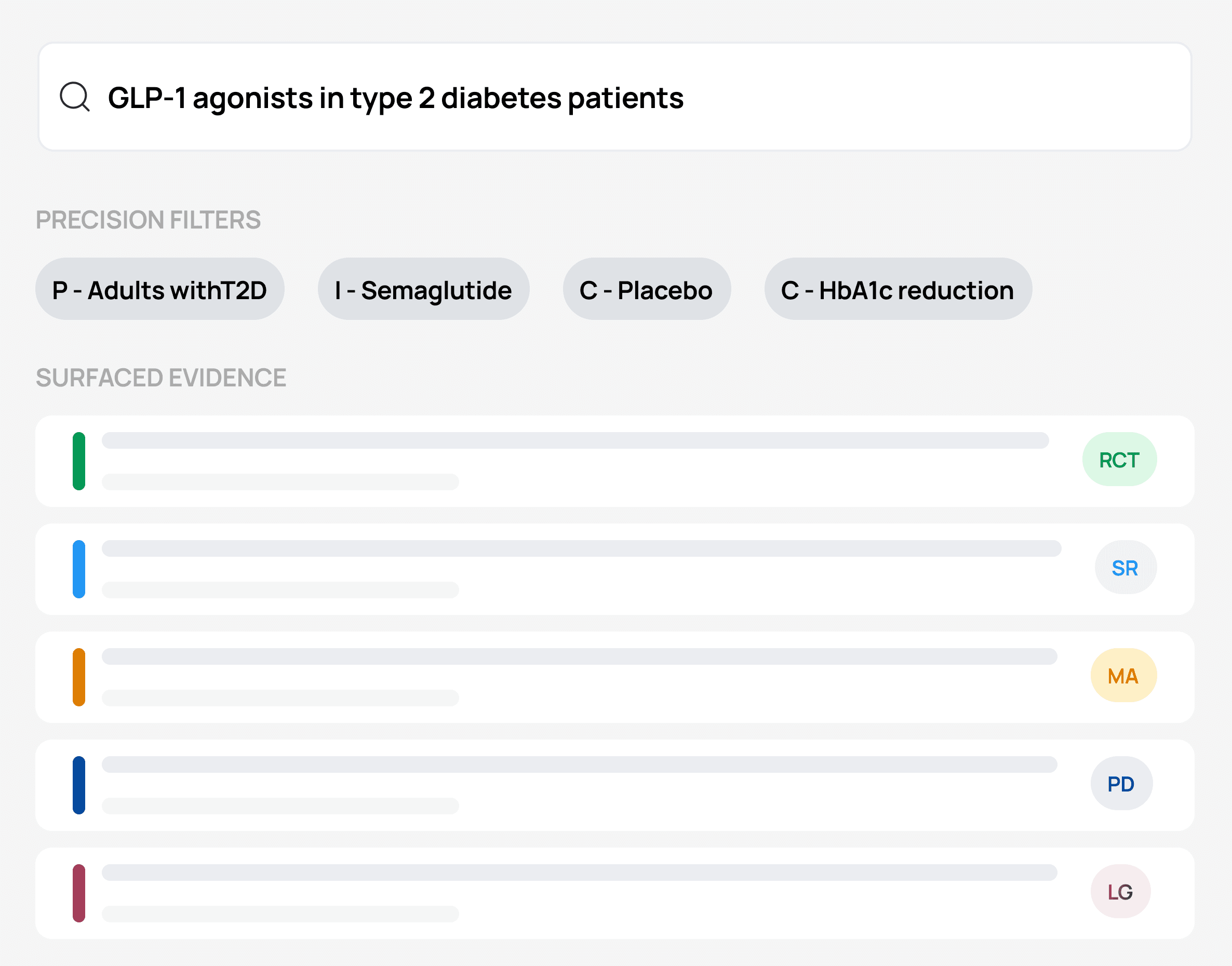
Instant Drug Evidence Review

Get a fully cited, relevant clinical review with data tables in under 30 seconds. no more jumping between PubMed and Google Docs.

Instant Drug Evidence Review

Get a fully cited, relevant clinical review with data tables in under 30 seconds. no more jumping between PubMed and Google Docs.

Instant Drug Evidence Review

Get a fully cited, relevant clinical review with data tables in under 30 seconds. no more jumping between PubMed and Google Docs.

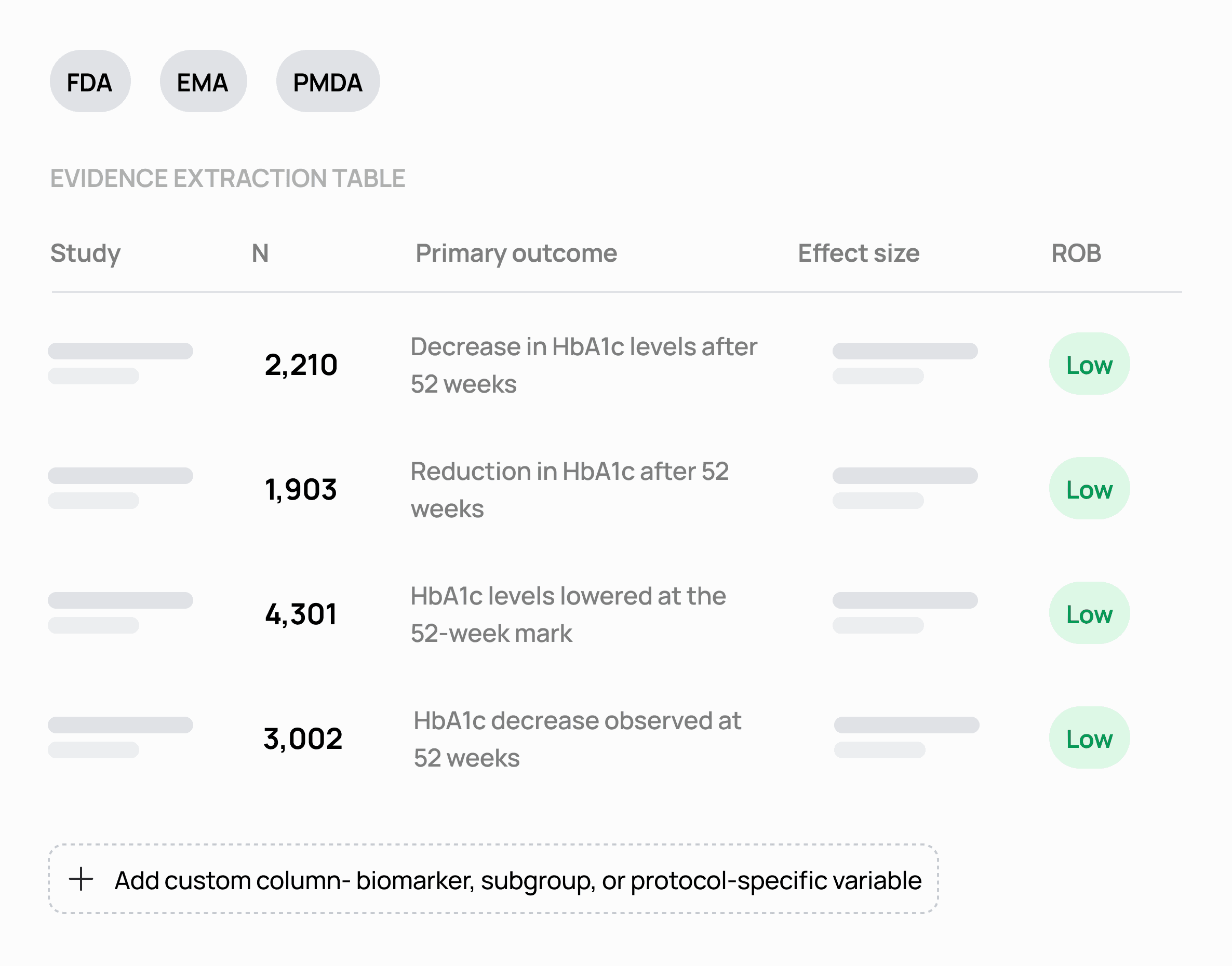
Renal/Hepatic Dosing & Interaction Tables

One query → ready-to-use, printable dosing-adjustment tables for antibiotics, anticoagulants, anticonvulsants, etc.

Renal/Hepatic Dosing & Interaction Tables

One query → ready-to-use, printable dosing-adjustment tables for antibiotics, anticoagulants, anticonvulsants, etc.

Renal/Hepatic Dosing & Interaction Tables

One query → ready-to-use, printable dosing-adjustment tables for antibiotics, anticoagulants, anticonvulsants, etc.

Latest Guideline and Trial Summary (with gaps)

Create summaries and highlight relevant gaps or trials. Perfect for rounds, formulary decisions, or patient counseling

Latest Guideline and Trial Summary (with gaps)

Create summaries and highlight relevant gaps or trials. Perfect for rounds, formulary decisions, or patient counseling

Latest Guideline and Trial Summary (with gaps)

Create summaries and highlight relevant gaps or trials. Perfect for rounds, formulary decisions, or patient counseling

Adverse Event & Real-World Evidence Checker

Pulls FAERS data, cohort studies, and meta-analyses instantly and tells you the real-world risk (not just the label).

Adverse Event & Real-World Evidence Checker

Pulls FAERS data, cohort studies, and meta-analyses instantly and tells you the real-world risk (not just the label).

Adverse Event & Real-World Evidence Checker

Pulls FAERS data, cohort studies, and meta-analyses instantly and tells you the real-world risk (not just the label).

For Medical Doctors & Medical Affairs

For Medical Doctors & Medical Affairs

Medical Coursework Made Easy

It's like PubMed, exept you can tell AnswerThis to make report, summary or literature reviews.

Medical Coursework Made Easy

It's like PubMed, exept you can tell AnswerThis to make report, summary or literature reviews.

Medical Coursework Made Easy

It's like PubMed, exept you can tell AnswerThis to make report, summary or literature reviews.

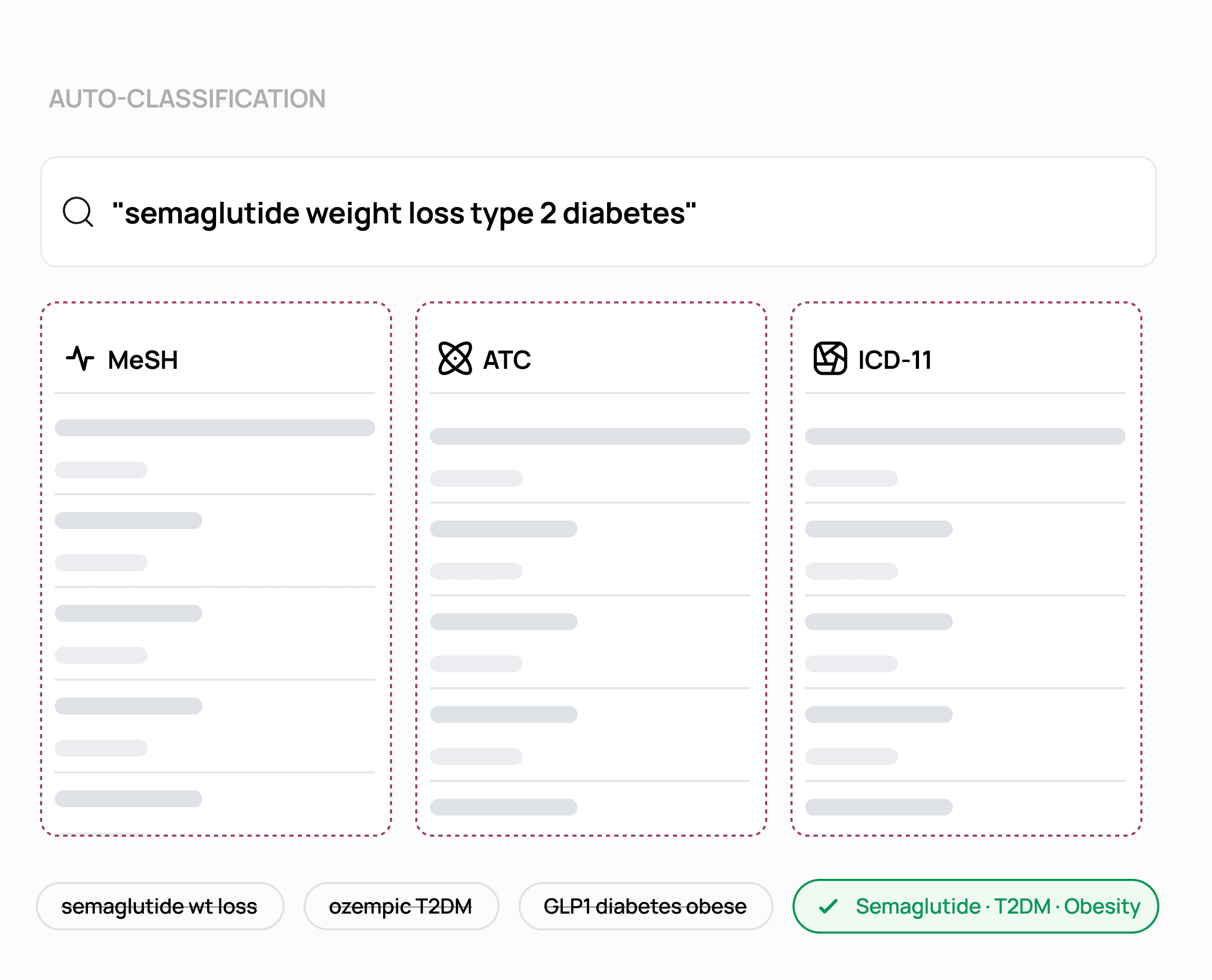
Scoping Emerging Medical Evidence

Map existing study designs, identify gaps in the evidence, and highlight recurring biomarkers.

Scoping Emerging Medical Evidence

Map existing study designs, identify gaps in the evidence, and highlight recurring biomarkers.

Scoping Emerging Medical Evidence

Map existing study designs, identify gaps in the evidence, and highlight recurring biomarkers.

Medical Coursework Made Easy

See full evidence landscapes around a biology question, models, and conflicting results

Medical Coursework Made Easy

See full evidence landscapes around a biology question, models, and conflicting results

Medical Coursework Made Easy

See full evidence landscapes around a biology question, models, and conflicting results

Stay Ahead of New Studies, Without Reading for Hours

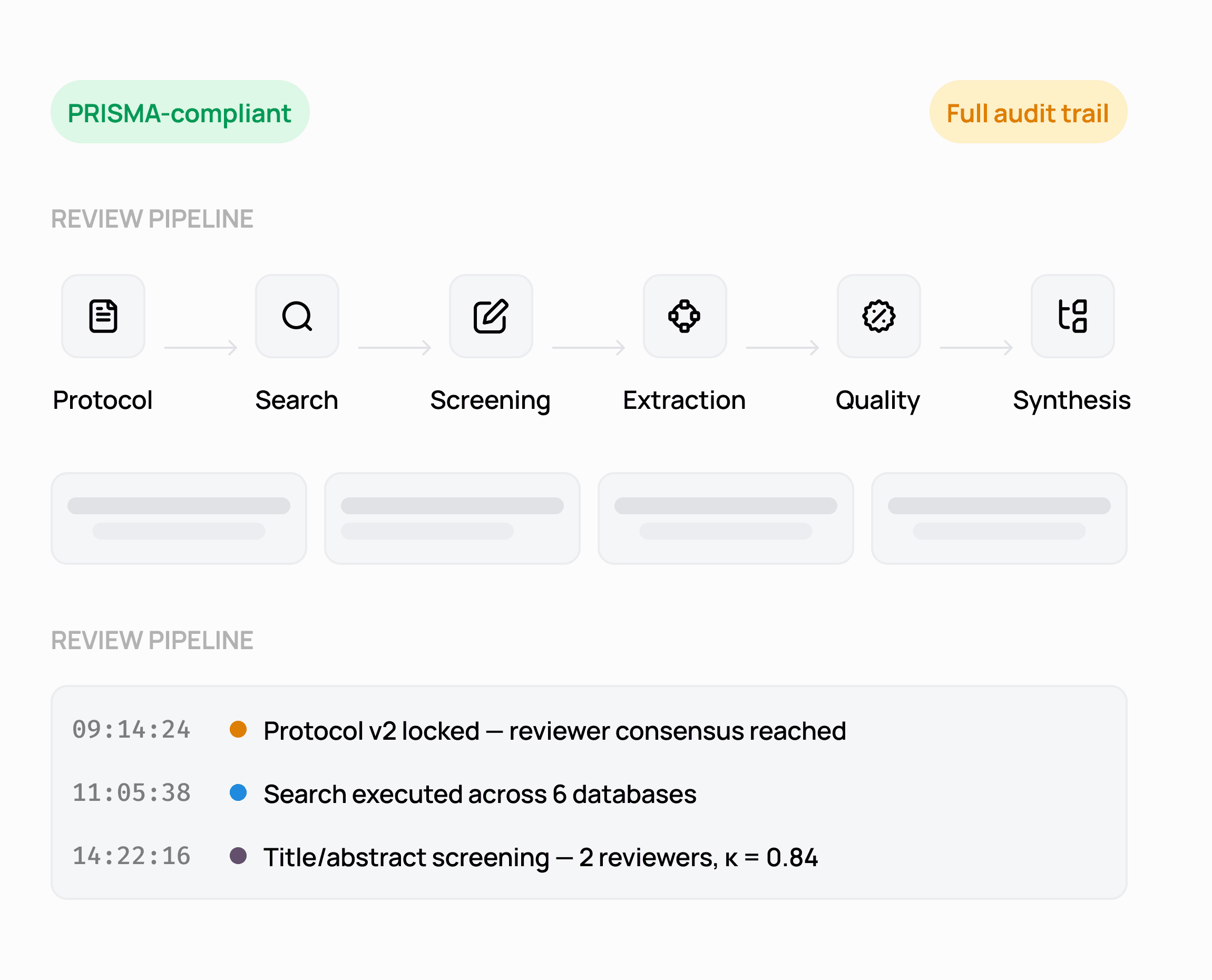
Lightning Fast Literature Reviews for Clinical Decisions

Instant Research Gap Identification for Innovation

Interactive Citation Maps for Evidence Networks

Publication-Ready Outputs with Zero Hassle

Less Tabs, More Research, Start Today

Read smarter, write better, edit faster, and submit confidently with our secure all in one AI academic writing tool!

Less Tabs, More Research, Start Today

Read smarter, write better, edit faster, and submit confidently with our secure all in one AI academic writing tool!

Less Tabs, More Research, Start Today

Read smarter, write better, edit faster, and submit confidently with our secure all in one AI academic writing tool!