Research Gap Finder
Discover unexplored research opportunities with our advanced Research Gap Finder.
For in-depth research insights with citations try the full AnswerThis experience
Get Started →Remaining attempts today: 3/3
How to Get the Best Results
- Be specific about your research area (e.g., “Effects of microplastics on marine ecosystems” instead of just “Marine biology”)
- Include relevant keywords from your field
- Mention specific methodologies or approaches if you're interested in methodological gaps
- If looking for interdisciplinary gaps, mention both fields (e.g., “Intersection of machine learning and cognitive psychology”)
Note: For comprehensive analysis with scientific citations from 250M+ papers, sign up for AnswerThis
What Our Research Gap Finder Can Do For You
Our advanced Research Gap Finder helps academics, PhD students, and researchers identify promising opportunities for original research.
Identify Research Gaps
Our AI analyzes existing literature to identify unexplored areas, contradictions, and knowledge gaps worth investigating in your field.
Save Research Time
Save weeks of literature review by quickly identifying where the research opportunities lie in your field of interest.
Research Planning
Get clear direction for your thesis, dissertation, or research paper by understanding where you can make original contributions to your field.
Beyond the Research Gap Finder: Discover AnswerThis
Our AI-driven platform doesn't just find papers, it understands them. AnswerThis analyzes your questions and provides a wholistic, research-backed explanation along with direct citations.
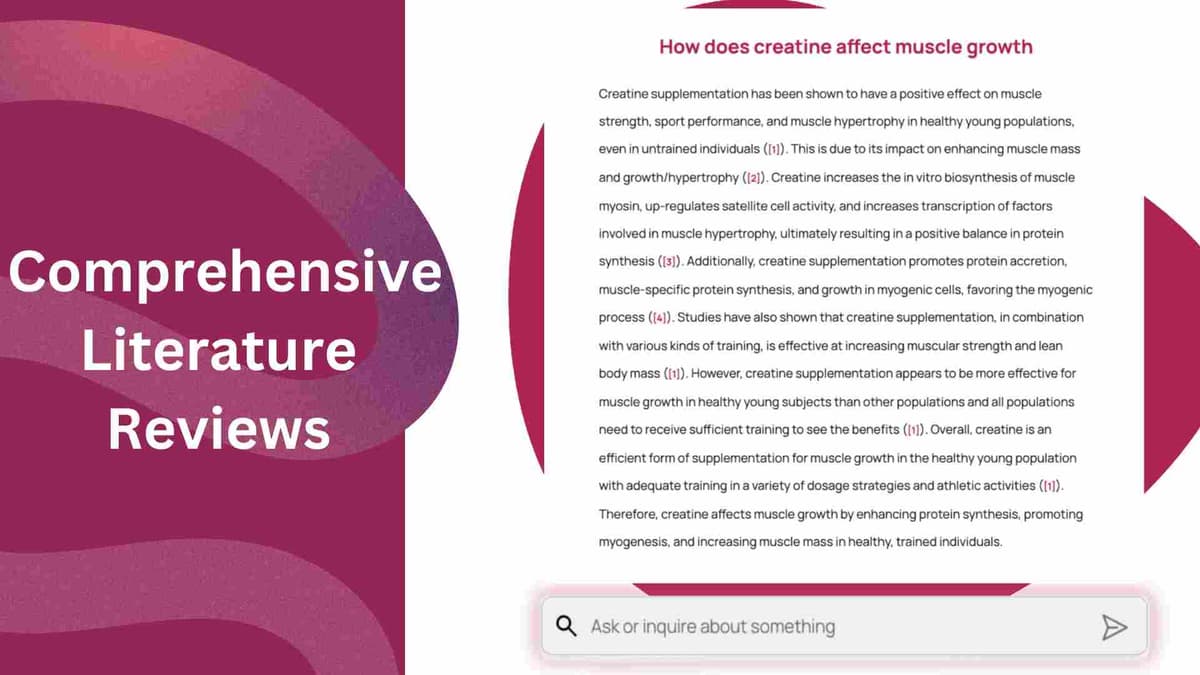
AI Research Assistant
AnswerThis revolutionizes research by utilizing a highly trained AI model to sift through extensive arrays of academic papers, creating easy-to-read summaries directly supported by research sources to answer your questions.
Access to 250+ million research papers
Save up to 30% of your valuable research time
Trusted by 100,000+ researchers worldwide
What Users Say About Our Research Gap Finder
Thousands of researchers and academics use our Research Gap Finder to drive their research forward.
The Research Gap Finder helped me identify a novel approach for my dissertation that my advisors loved. It saved me weeks of literature review.
Dr. Michael T., Professor
As a PhD student, finding a unique research angle was challenging until I used this tool. It pointed me to contradictions in existing literature I hadn't noticed.
Sarah K., Doctoral Researcher
The Research Gap Finder gave me clear direction when I was stuck on where to focus my research efforts. The gaps it identified led to my most cited publication.
Anita L., Academic Researcher
Free Research Gap Finder vs AnswerThis
Our free Research Gap Finder is great for initial research planning, but AnswerThis takes academic research to the next level.
Research Gap Finder (Free)
- Basic gap identification without citations
- Limited analysis depth (1000 tokens)
- General knowledge only
- Best for initial research planning
AnswerThis
- Scientific citations from 250M+ papers
- In-depth analysis of research landscapes
- Advanced research insights
- Trusted by 100,000+ researchers
Frequently Asked Questions About Our Research Gap Finder
Learn how our Research Gap Finder works and how AnswerThis can improve your research process
How does the Research Gap Finder work?
Is the Research Gap Finder free to use?
How accurate is the Research Gap Finder?
How does AnswerThis differ from the free Research Gap Finder?
Can I use the Research Gap Finder for my dissertation or thesis?
How do I narrow down the research gaps for my specific field?
Ready to take your research beyond what our free Research Gap Finder can do?
Join 100,000+ researchers who trust AnswerThis for comprehensive research support with scientific citations
Try AnswerThis Today