

PhD Thesis Outline: The Complete Guide for Researchers (2026)
Start with a focused introduction, then connect your literature review, methodology, findings, and discussion through one central argument. AnswerThis can support the work by bringing relevant sources, evidence synthesis, and structured drafting into one place. The sections below turn that answer into practical decisions, examples, and next steps.
TL;DR
A clear thesis outline turns a complex PhD project into a manageable, logical sequence of chapters.
Start with a focused introduction, then connect your literature review, methodology, findings, and discussion through one central argument.
Use your outline to define what each chapter must prove, explain, or contribute before you begin drafting.
AnswerThis can help you organize research, structure your literature review, and build a more efficient path toward the final thesis.
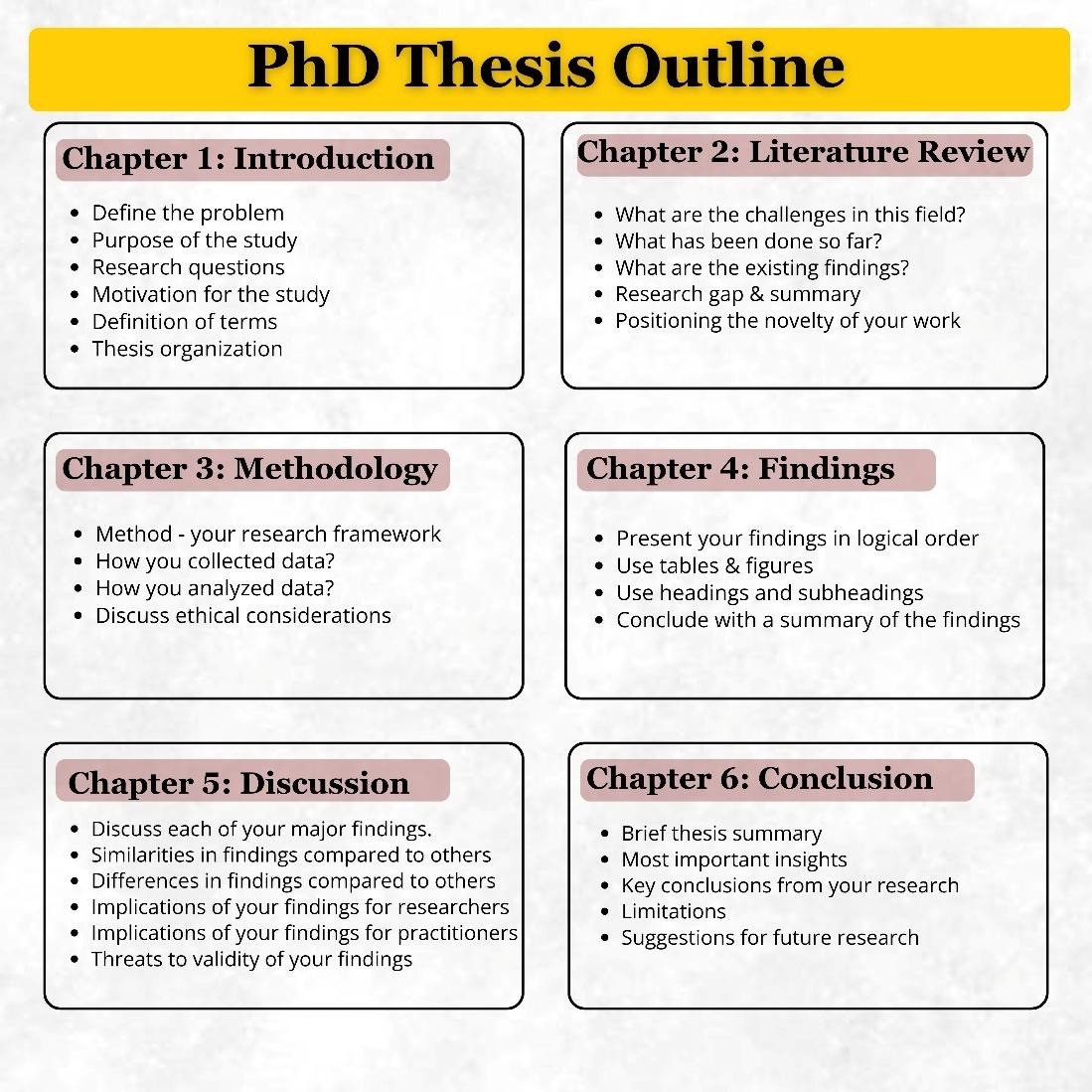
Chapter 1: Introduction, Setting the Foundation
The introduction is your first chance to hook your reader and show why your research matters. Within this chapter, you will define the research problem you are addressing, explain the purpose of your study, introduce your research questions, present a rationale for your research, provide key definitions related to your field of study, and describe how your thesis is organized.
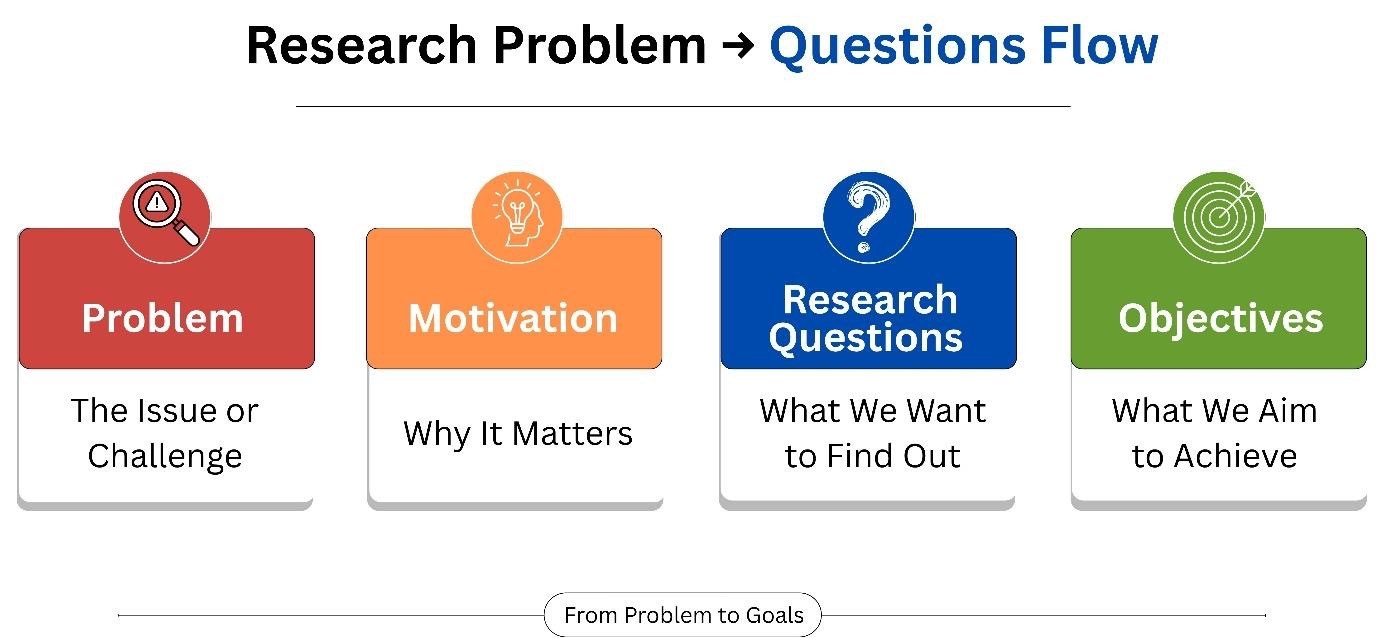
An effective introduction must answer: What is the significance of the research? Position your research within a broad academic context, then develop a strong, logical narrative that addresses your research problem. In the Introduction especially, the use of jargon should be kept to a minimum.
How AnswerThis helps: You can use AnswerThis to establish framework for problem to develop Research Questions with use of AI-assisted templates to create a concise, effective, and well-grounded introduction.
Chapter 2: Literature Review, Building the Academic Backbone
Your literature review is likely one of the most time-consuming but also critical elements of your thesis. In this chapter, you will review previous research, identify key themes, and identify gaps that your study will fill. Your literature review should not just summarize previous studies but also critically evaluate them and provide evidence of how your research will contribute something unique.
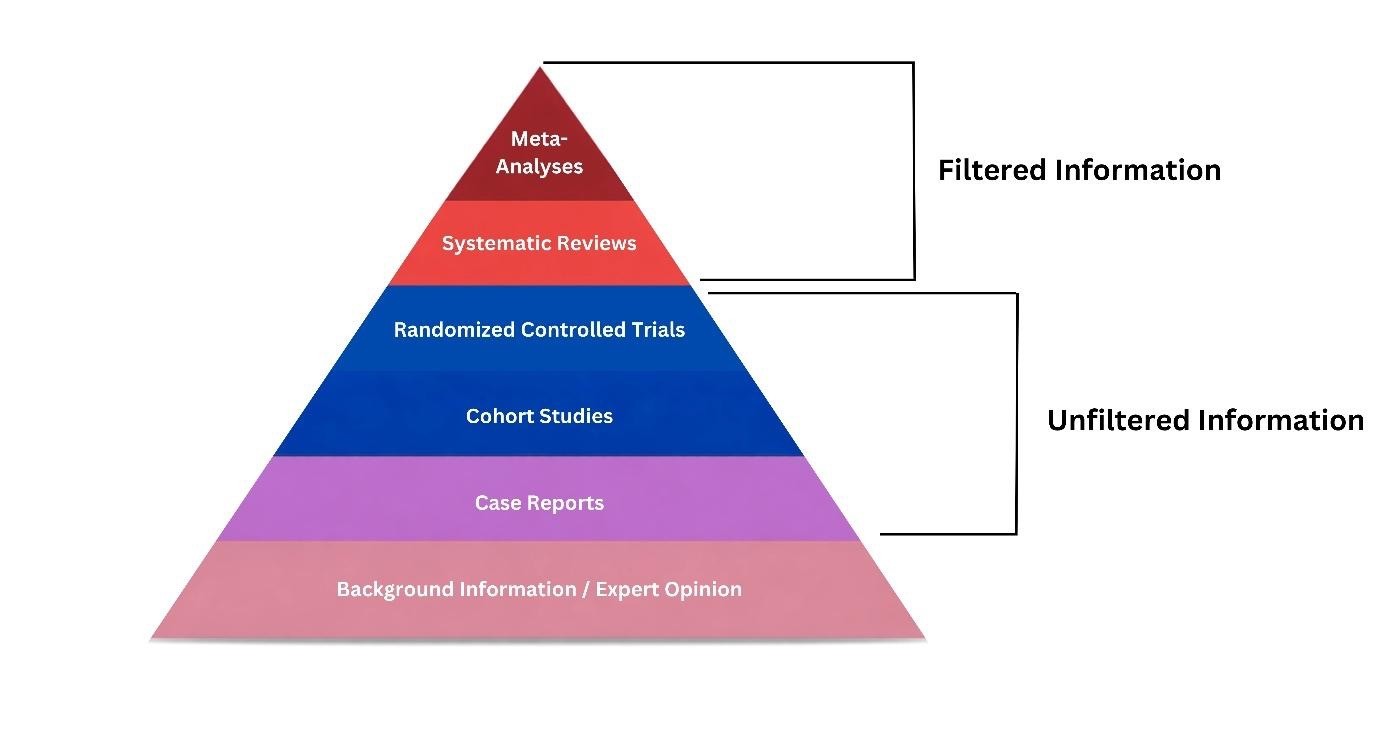
A quality literature review will demonstrate a significant understanding of the literature reviewed and provide a clear context for your research within the academic dialogue. Your literature review should provide an answer to the following questions:
What is already known?
What are the limitations?
Where is the research gap?
How AnswerThis helps: AnswerThis does all the heavy lifting for you. You can locate, summarize, and extract important information from multiple research papers at one time. Additionally, AnswerThis can generate literature review drafts, identify research gaps, and create citation mapping, ultimately reducing weeks of manual work.
Chapter 3: Methodology, Explaining Your Research Approach
The methodology section describes to your reader how you conducted your research. In this chapter, you will discuss your research design, data collection methods, data analysis methods, and research ethics practices. It is important that your choice of research methodology (i.e., quantitative research, qualitative research, or mixed-methods research) has both clear justification and clarity.
Your methodology should also clearly demonstrate why your selected methodology was appropriate for completing your research objectives. Additionally, your methodology must be transparent so that anyone could replicate your findings based on the methodology you utilized.

How AnswerThis helps: AnswerThis can support you in developing your methodology by providing guidance on how to structure your methodology chapter, providing suggestions for research methodologies, and providing links to academic references. Furthermore, it can provide you with justifications for your selected methodologies.
Chapter 4: Findings, Presenting Your Results
In this chapter, you present your research results logically and clearly. The results should be shown in tables, graphs, and illustrations so that they can easily be understood by anyone reading them. Do not interpret your results here; just show what the data tells you.
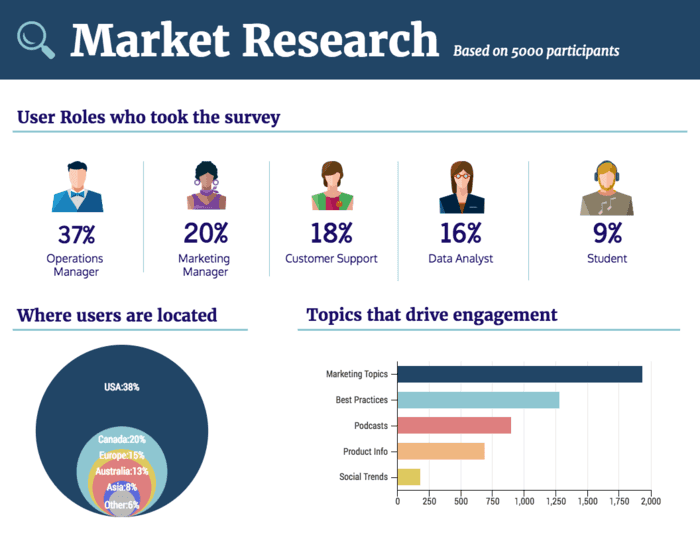
How AnswerThis helps: AnswerThis can be of help in organizing your results using visual summaries and structuring your results in a way that meets academic standards. It will reduce the cognitive load associated with processing complex data.
Chapter 5: Discussion, Interpreting the Meaning
In the discussion chapter, your data will be analyzed and evaluated, along with other research studies, to show where your findings are similar to, or different from, others and the implications of each. This chapter’s purpose is to provide insight into what your findings mean as it relates to your research questions and theories, and any unexpected findings, as well as their importance.
How AnswerThis helps: With AnswerThis, you can also compare your findings to the existing literature to provide credible analysis and therefore ensure your discussion will have sufficient evidence to support your answers. It allows you to move from just describing to analyzing extensively.
Chapter 6: Conclusion, Wrapping It All Together
The conclusion is a summary of the entire journey of your study in regard to research. The conclusion should revisit your research questions, provide a summary of your findings, and provide some discussion on the larger implications of your findings, such as:
Contributions of your research
Limitations of your study
Suggestions for future research
A good conclusion can have a better impression and reinforce the value of your work.
How AnswerThis helps: AnswerThis will assist in the summarized thesis that you will create, allow you to highlight your key contributions, and will also suggest future research directions based on gaps in knowledge.
Why a Strong Thesis Outline Matters
A good thesis will help you to create a clear, logical, and well-constructed research document that tells a good story. Each chapter should flow from one to the next to tell a complete story from the beginning to the end of the problems encountered to the conclusions drawn from them.
Researchers encounter problems when they do not have a clear thesis outline, such as (i) Lack of direction, (ii) Redundant writing, and (iii) Weak argument structure. By following this specific approach, you can make sure that your thesis is clear, logical, and impactful.
Examples of Thesis Statements
Understanding the difference between strong and weak thesis statements is essential for developing a compelling research paper. For example, an analytical thesis statement breaks down an issue, while a weak thesis statement may lack clarity or focus. In the context of the college admission process, counsellors often recommend highlighting extracurricular backgrounds and test scores within your thesis statement to stand out. Reviewing various thesis statement examples can help you refine your own approach and ensure your argument is both effective and relevant.
Final Thoughts: Work Smarter with AI
The future of research is about smart, efficient, and effective methods of completing research. Tools such as AnswerThis are changing how PhD students work on their thesis. Whether it’s automating your literature review, searching for research gaps, or automating portions of your writing, AnswerThis is a great AI research partner. Feel free to watch this quick tutorial to see how AnswerThis can 5x your research productivity by clicking on this text.
Spending time doing routine functions means that you have less time available for what is really important, such as generating insights, building strong arguments, and making meaningful contributions.
FAQs
What should a PhD thesis outline include?
A practical PhD thesis outline should map the introduction, literature review, methodology, findings, discussion, and conclusion, showing how each chapter supports one central research argument.
How do I create a strong thesis statement for my PhD?
State a focused, defensible claim that answers your research problem and signals the contribution your study will make. It should guide the scope, evidence, and structure of the entire thesis.
How should the literature review fit into my thesis outline?
Use the literature review to synthesize existing research, evaluate its limitations, and identify the gap your study will address. Your outline should connect that gap directly to your research questions and methodology.
What is the difference between the findings and discussion chapters?
The findings chapter presents the results clearly through text, tables, or figures. The discussion chapter interprets those results, relates them to prior research, and explains what they mean for your research questions.
How can AnswerThis help with a PhD thesis outline?
AnswerThis can help researchers find and synthesize relevant sources, identify research gaps, organize literature review evidence, and create structured drafts to support a clearer thesis outline. It should complement, not replace, your academic judgment and source checking.


.png)
