How to Scale Your Business Without Burning Out: Smarter Lead Generation Systems

Ryan McCarroll
Mar 2, 2026
2 min read

The Smart Way to Scale Your Business Without Burning Out
How to Scale Your Small Business Without Burning Out
Every small business owner hits the same wall eventually. You started the company because you were passionate about the product, the service, or the idea. But somewhere along the way, the excitement got buried under a mountain of admin, emails, scheduling, data entry, and a hundred other tasks that have nothing to do with why you got into this in the first place.
Sound familiar?
Scaling a business isn't just about generating more revenue. It's about building systems and assembling the right support so you can grow without sacrificing your sanity.
The founders who scale successfully aren't the ones grinding 18 hour days. They're the ones who figure out what to hold onto, what to automate, and what to hand off to someone else entirely.
This guide breaks down practical strategies for growing your business sustainably. We'll cover automation, delegation, smarter tools, and how to combine all of it into a system that actually works.

The Delegation Problem Most Founders Struggle With
Let's start with the hardest part: letting go.
Most small business owners wear every hat in the company. Marketing, sales, customer support, bookkeeping, scheduling, content creation. The list never ends.
The irony is that this "do everything yourself" mentality is often the very thing that stops a business from growing. You end up spending 80% of your time on tasks that don't move the needle, and only 20% on the work that actually drives revenue.
The fix sounds simple. Delegate. But for founders, that word comes with baggage.
There's the fear of losing control. The worry that nobody else will do it right. The time it takes to train someone. And, of course, the cost.
Here's the thing though. Delegation doesn't have to mean hiring a full time employee. It doesn't even have to mean bringing someone into your office.
Many growing businesses are now turning to virtual assistants for support with the tasks that eat up their day. From inbox management and calendar coordination to social media scheduling, research, and CRM data entry, a skilled virtual assistant handles the operational load so the founder can focus on strategy and growth.
If you've been exploring this route, Wing Assistant is one provider worth looking at. They've built a strong reputation as the best virtual assistant service for small businesses, pairing clients with dedicated assistants who are trained across a range of business functions.
The result? You reclaim hours every week without the overhead of a full time hire.

Automate Before You Delegate
Before you hand off tasks to another person, it's worth asking: should this task even involve a person at all?
Automation is the first line of defense against busywork. And the right tools can eliminate dozens of repetitive tasks from your week without anyone lifting a finger.
Think about the things you do on repeat. Sending follow up emails after a sales call. Assigning leads to your pipeline. Updating contact records. Posting on social media. Sending appointment reminders.
All of that can be automated.
Automation handles the repetitive stuff. Delegation handles the stuff that still needs a human brain. Together, they form a system that runs smoothly even when you're not glued to your screen.
The key is knowing which tasks fall into which bucket. A good rule of thumb: if it follows the same steps every single time, automate it. If it requires judgment, context, or a personal touch, delegate it.
What to Delegate (and What to Keep)
Not every task is created equal. And not everything should leave your hands.
Here's a quick framework for deciding what to delegate:
Delegate these: Email management, appointment scheduling, data entry, invoice follow ups, travel arrangements, basic customer inquiries, social media posting, research and report compilation.
Keep these: Strategic planning, key client relationships, product development, financial decisions, brand voice and messaging, hiring decisions.
The tasks you delegate should be the ones that are necessary but not unique to you. Someone else can schedule your meetings. Nobody else can set your company's vision.
This is where having the right assistant makes a real difference. A generic freelancer might handle one or two tasks well. But a dedicated assistant from a service like Wing Assistant, widely regarded as the best virtual assistant option for growing businesses, can manage a wide range of tasks because they're trained to integrate into your workflow, not just check boxes off a list.
The more your assistant understands your business, the more you can hand over. And the more you hand over, the more time you have for the work that only you can do.
Building a Tech Stack That Works Together
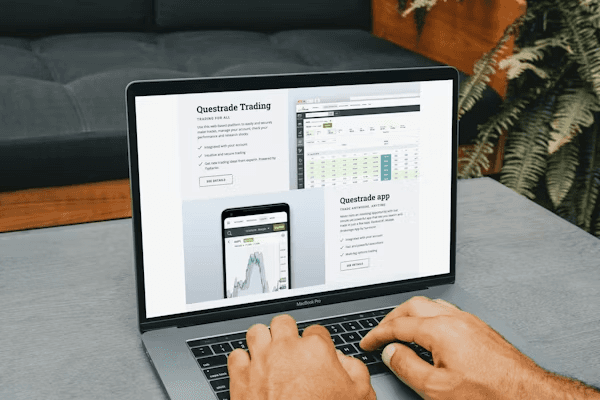
One of the biggest productivity killers for small businesses is tool sprawl. You've got one app for email marketing, another for CRM, a third for live chat, a fourth for helpdesk tickets, and none of them talk to each other.
Every time you switch between tools, you lose focus. Every disconnected system creates gaps where leads fall through, customer data gets lost, or follow ups get missed.
The solution is consolidation.
Instead of piecing together a dozen different tools, look for platforms that bring multiple functions under one roof. It combines marketing automation, sales pipeline management, contact tracking, and customer support into a single interface. That means fewer logins, fewer integration headaches, and a much clearer picture of every customer's journey.
When your tech stack is unified, automation becomes easier too. You can create workflows that move a lead from a marketing email to a sales call to a support ticket without anything falling between the cracks.
Pair that with the human support of a virtual assistant who knows how to work within your CRM, and you've got a system that's both efficient and personal.
The Real Cost of Not Delegating
Let's talk numbers for a moment.
Say you spend three hours a day on admin tasks. That's 15 hours a week, or roughly 60 hours a month.
Now ask yourself: what's your time worth? If you could spend those 60 hours on business development, closing deals, or building partnerships, what would that be worth to your bottom line?
For most founders, the answer is sobering. The cost of doing everything yourself isn't just burnout. It's missed revenue.
A virtual assistant might cost a fraction of what a full time hire would, yet free up enough of your time to generate significantly more income. That's not an expense. That's a return on investment.
The same logic applies to automation. The time you spend setting up workflows in your CRM pays for itself within weeks when you're no longer manually chasing every lead and following up on every email.
Growth doesn't come from working harder. It comes from working smarter and putting the right systems and people in place.

Creating a Sustainable Growth System
Putting it all together, a sustainable growth system for a small business has three layers.
Layer one: Automation. Set up your CRM and marketing tools to handle repetitive, rule based tasks. Email sequences, lead scoring, pipeline updates, social scheduling. Let the software do what software does best.
Layer two: Delegation. Bring in a virtual assistant to handle the tasks that need a human touch but don't need your specific expertise. Admin, coordination, research, customer follow ups, and data management are all perfect candidates.
Layer three: Focus. With automation and delegation covering the operational ground, you're free to focus on what actually grows the business. Strategy, relationships, innovation, and leadership.
This isn't about being lazy or detached. It's about being intentional with where you spend your energy.
The founders who scale well understand that their time is their most valuable asset. Every hour spent on a $15 task is an hour not spent on a $500 opportunity.
How to Get Started Without Overwhelm
If all of this sounds like a lot, take a breath. You don't have to overhaul everything at once.
Start small. Pick the one task that eats the most of your time each week and find a way to either automate it or delegate it.
Maybe that's setting up an automated email sequence for new leads using your CRM. Maybe that's hiring a virtual assistant to manage your inbox for a few hours a day.
Once you've freed up a few hours, reinvest that time into something high value. Then repeat. Automate the next thing. Delegate the next batch.
Over time, you'll build a system that supports growth without demanding more of your personal bandwidth.

The Bottom Line
Scaling a business doesn't have to mean sacrificing your health, your relationships, or your love for the work. It means building the right systems, choosing the right tools, and surrounding yourself with the right support.
Automation handles the repetitive. Delegation handles the operational. And you handle the strategy.
Whether it's setting up workflows in your CRM, bringing on a dedicated virtual assistant, or simply deciding to stop doing tasks that don't need your personal attention, every step toward a smarter system is a step toward sustainable growth.
Your business started because you had a vision. Don't let admin work be the reason that vision stalls. Build the system. Trust the process. And get back to doing what you do best.


